Hello everyone! I have been reassured my short work titled “Her Sereness” will be published by the end of the year in Cosmic Horror Monthly!
Note: The rest of this blog post was drafted ahead of time to be released according to a pre-set schedule.
A brief little history lesson for this prompt, more non-fiction than fiction, really, I think.
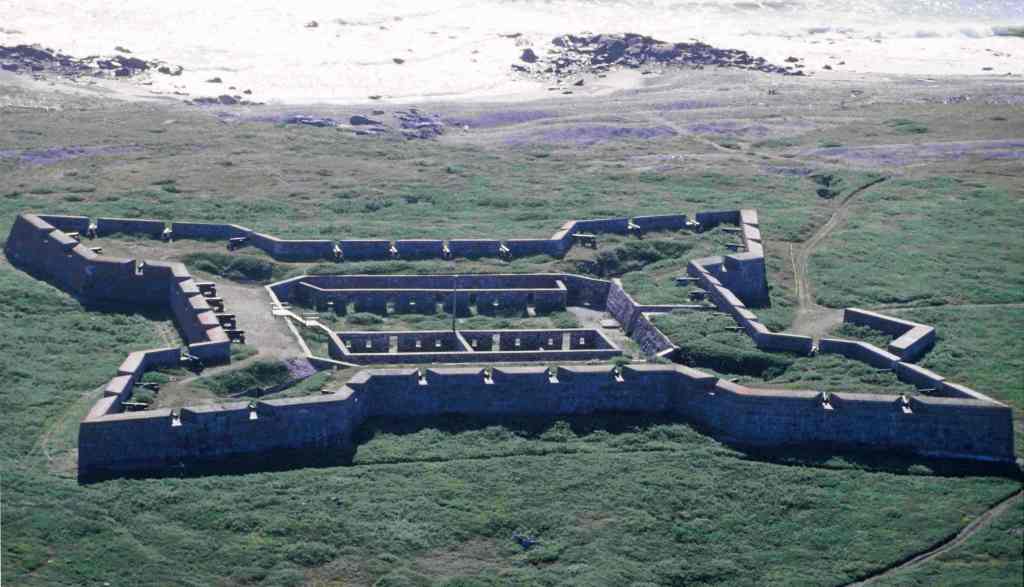
There is a castle in Canada’s north. It lies on Hudson’s Bay in the province of Manitoba, and it is considered the oldest building in Canada west of Ontario and also the northernmost European fortification in the Americas.
After a disastrous Danish expedition failed to establish a European presence in the area in 1619 (only 3 of 64 expedition members are believed to have survived) for the next hundred years or so the nomadic Néhinaw/Cree, Dene/Chipewyan and Inuit indigenous peoples were left alone to live on the often-frozen Arctic shore.
In 1731, to declare and protect British interests present in the guise of Hudson Bay Company traders, initial construction on Prince of Wales Fort began near the mouth of the Churchill river. Completed 40 short summers later, star-shaped and with stone walls close to 40 feet thick, armed with 42 cannons, the fort faced only one serious challenge from opposing French forces during the colonial fur trade competition. In August 1781, three French ships and about three hundred men appeared in the bay. The governor of the fort at the time, the practical Samuel Hearne, surrendered quickly. He did not have enough men to man the cannons, and despite all the stone, the fort walls had weak masonry – anyone who has ever dropped into a pothole on a road knows how hard freeze-thaw cycles can be on concrete.
The victorious French spiked the fort’s cannons, blew up some of the fort’s buildings, and sailed away with their prisoners. The next spring, Hearne returned, but re-established HBC’s presence in the area several kilometers upriver. For the next 140 years, the fort was largely left to the elements. In the 1920s and 30s, the Canadian government began restoring the fort, recovering some of the canons and beginning repair of the walls.
Today the site is a national historic site managed by Parks Canada – but it remains castle-like. It has a “moat” – it can only be reached by boating across the river from the port town of Churchill, avoiding breeding beluga whales along the way – and it also comes with monsters and knights. Human visitors must always be vigilant about the approach of hungry polar bears, and travel to the site without a licensed armed guide or parks employee is not a good idea.
Getting to this remote castle is a quest in and of it’s self – you must either fly, or take a slow train over unstable, deteriorating permafrost– a journey that takes will at best take two days from Winnipeg, the track distance to the Churchill town site is close to 1700 kilometres.
Discover more from Kilmeny MacMichael
Subscribe to get the latest posts sent to your email.


